Key Takeaways
- Most children do grow out of eczema - studies show 60-70% see significant improvement by age 7
- Eczema typically appears between 3-4 months and peaks around 2
- Gentle skincare without harsh detergents is crucial for managing baby eczema
- Early intervention and proper care can reduce severity and duration of flare-ups
Dont Panic!
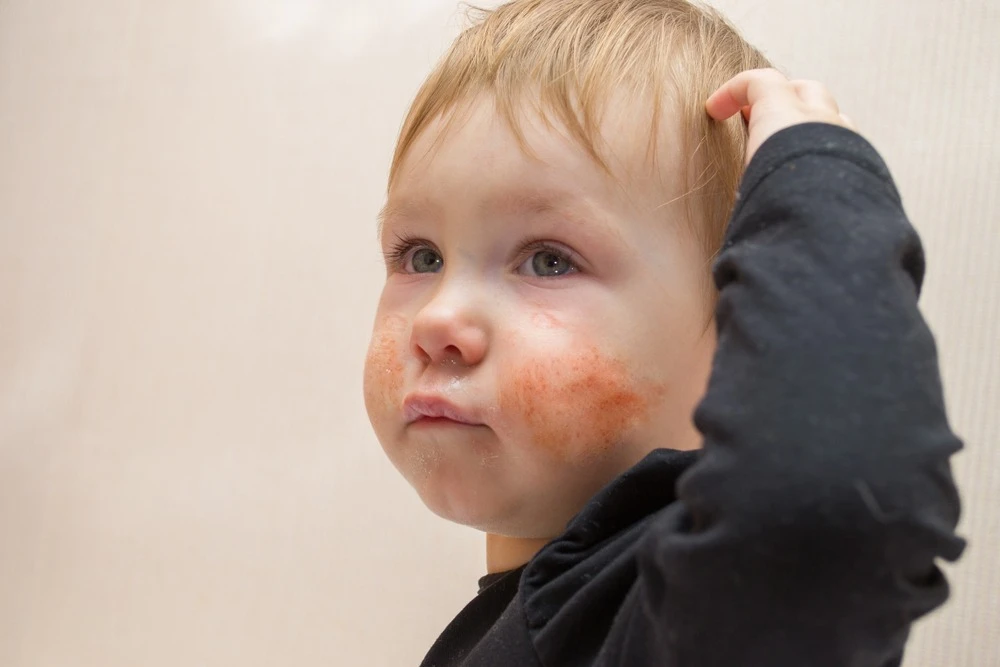
Watching an angry, red rash creep over your baby’s cheeks and forehead is horrible. But you’re not alone, eczema is very common. Over 20% of children suffer from it at some point in their lives. Eczema typically appears when babies are 3-4 months. The vast majority of children grow out of the worst of it before they are 2 years old.
If your dealing with an eczema flare-up right now – head over to our article on dealing with eczema flares.
Ditch the detergents
The skin is protected by natural oils and an acid mantle but soaps and toiletries are degreasing and alkaline. Even ‘gentle’ baby toiletries strip away the protective oils in your baby’s skin and neutralise the acid mantle. Don’t use soap and shampoo in your baby’s bath and avoid baby wipes. Plain water is usually plenty. If you need more you can use emollient (medical moisturizers) to wash the skin. For laundry, half the amount of detergent you use (you won’t notice the difference, I promise). Add in an extra rinse cycle. Avoid detergents and stain removers containing optical brighteners and fragrance. You may be interested to check out these pieces on laundry: Eczema Friendly Laundry: Detergents (and their ingredients); Eczema Friendly Laundry: Stain Removers; Avoiding Baby Eczema Trigger: #1 Laundry
A book to fill the gaps in your knowledge with useful, common-sense advice and to allow you to understand what might be going on with your child’s skin and what to do about it.
Sarah Jones
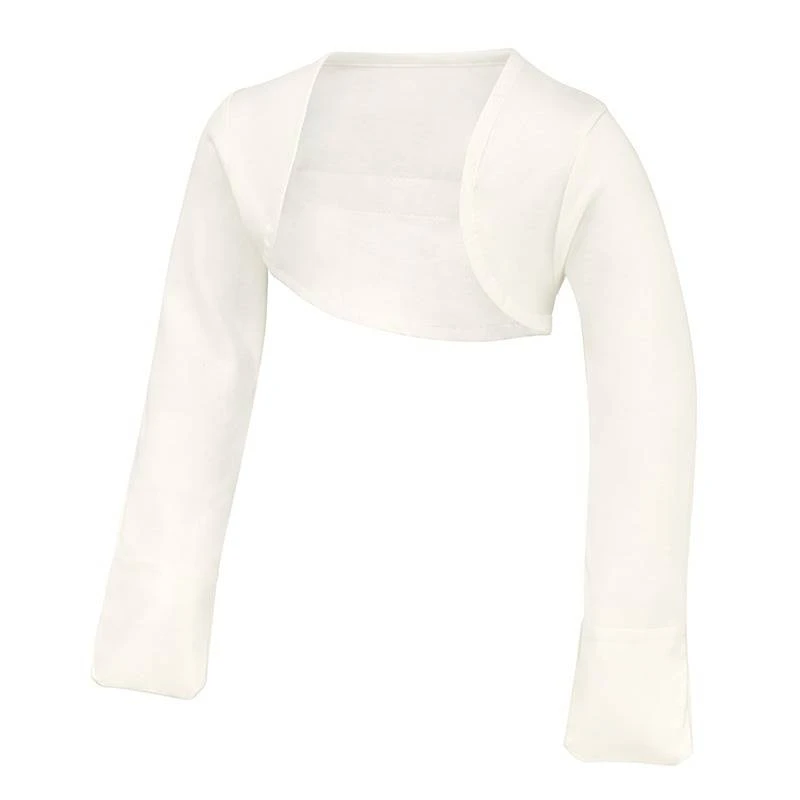
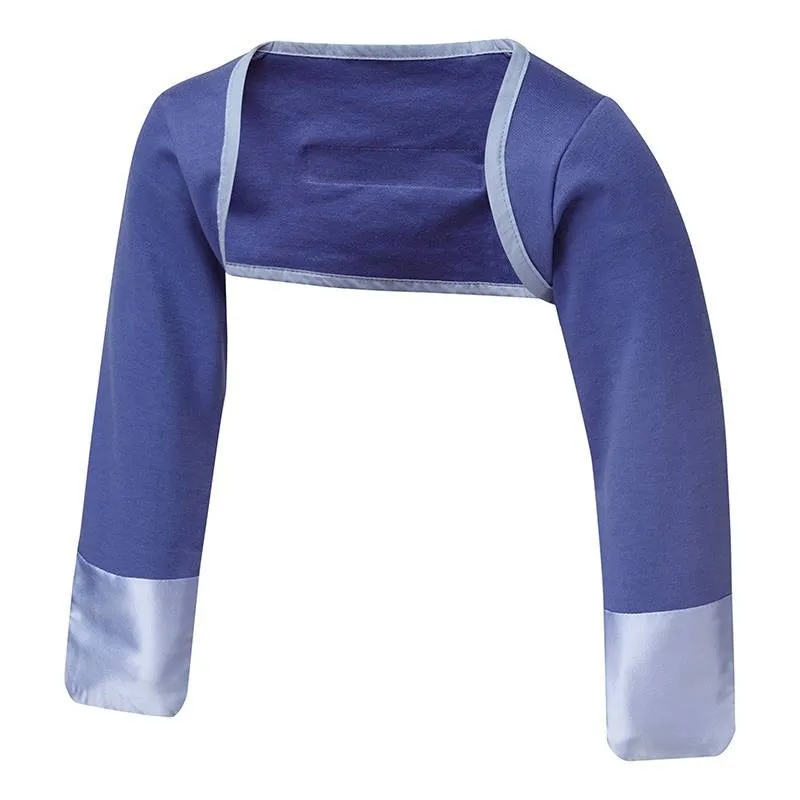
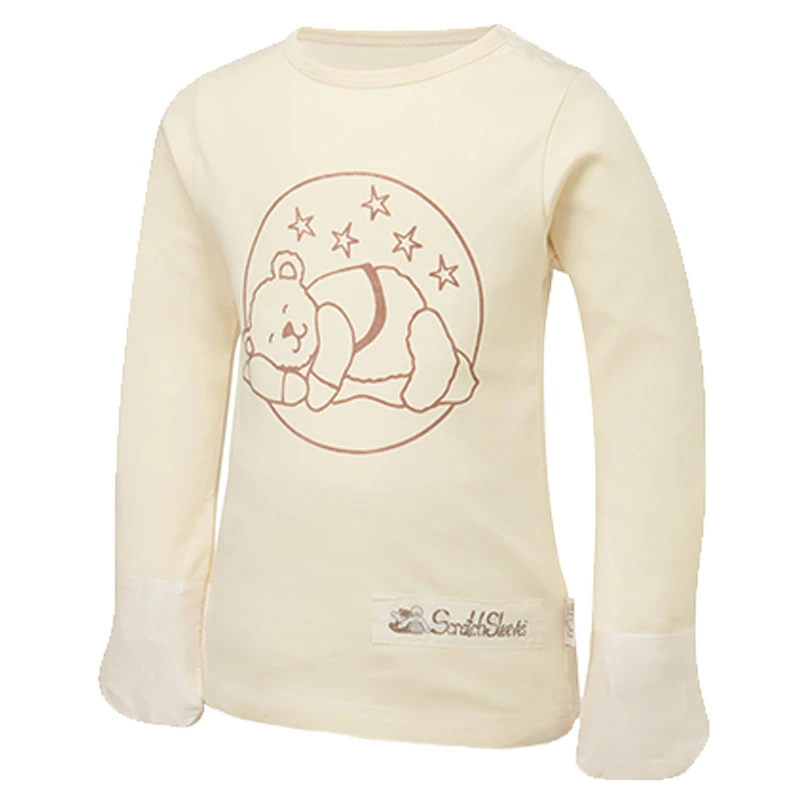
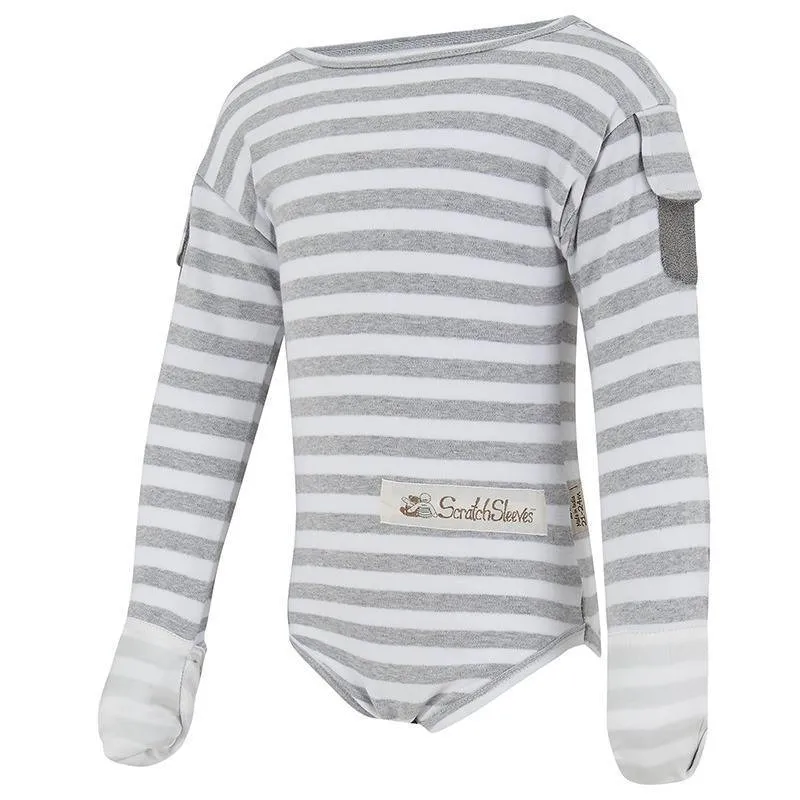
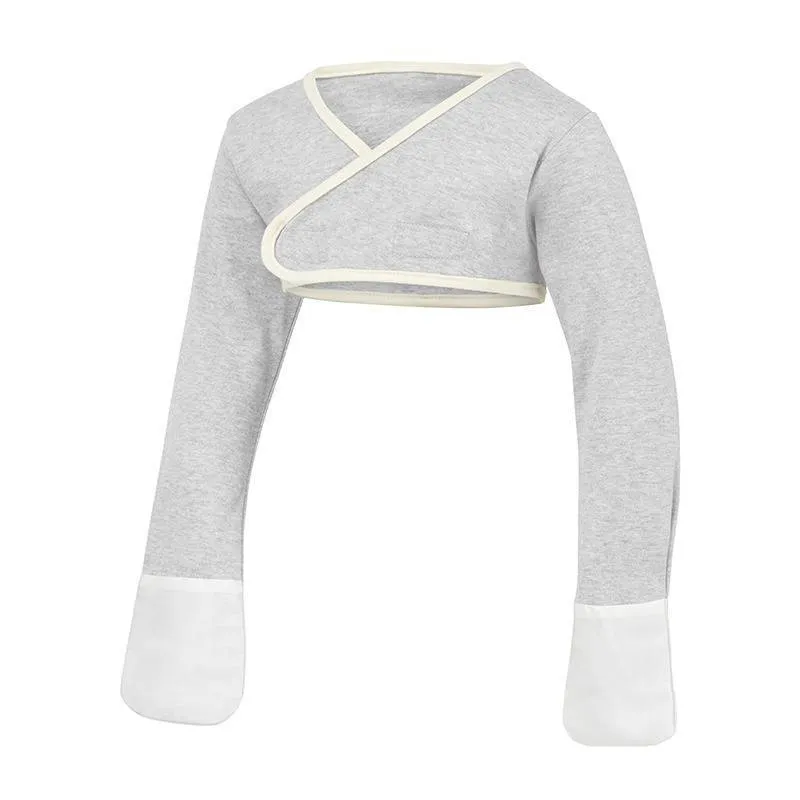
Explore our range of eczema friendly clothing
Our clever mittens and comfy sleepwear are specially designed to help stop little ones scratching, with soft silk and cotton layers to cushion nails, reinforced panels to protect legs, and no seams to rub on.
Get an appointment with your GP
Emollients are the key component of any baby eczema treatment and are available free of charge on prescription. Your GP will be able to give you advice on which emollients are likely to work best for your baby and how to use them effectively. If your baby’s eczema is particularly troublesome and affecting their sleep, your GP may also prescribe topical steroids to bring the flare-up back under control. Steroid creams are safe, so long as you use them in accordance with your GP’s instructions. They should only be used to control flare-ups, not for long term eczema management. If you have concerns about using topical steroids read our post written by Dr Sam Hunt, Consultant Dermatologist here.